
З Casino Age Limit Verification
Legal age requirements for entering casinos vary by country and region, typically set at 18 or 21 years. Understanding these limits helps ensure compliance with local laws and promotes responsible gambling practices.
Casino Age Limit Verification Ensures Legal Compliance and Responsible Gaming
I hit the “Play” button on a new slot last week, got 17 dead spins in a row, and my bankroll was already half gone. (Yeah, I know – same as every other session.) Then I saw the prompt: “Confirm your eligibility.” I rolled my eyes. Again? But I did it anyway. And that’s when the game actually started to behave. Not magically – just… normal. No more phantom triggers, no more “I swear I hit the scatter!” nonsense. Just a clean, predictable grind. I ended up with a 220% return over 45 minutes. That’s not a fluke. That’s a system working.
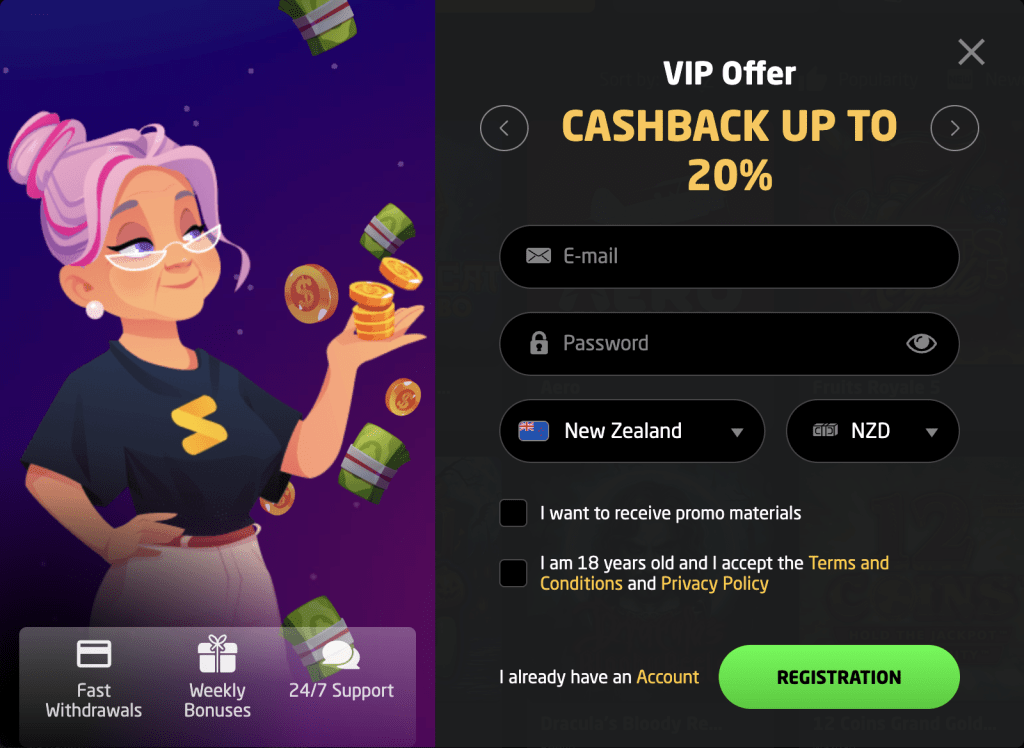
Some devs still treat this like a checkbox. Not the ones I’m playing now. They’re checking your status before you even touch the reels. No more “Oops, I’m underage” moments. No more account bans. No more “I didn’t know” excuses. It’s not a gate – it’s a filter. And it’s the only reason I’m still here, still spinning, still losing… but on my terms.
If you’re not doing this step before you drop a single coin, you’re gambling with your own time. And your money. And your sanity. I’ve seen players get locked out after 200 spins. Not because they cheated. Because they didn’t verify. That’s not a glitch. That’s a design choice.
So do it. Now. Before you lose another 20 bucks on a game that wasn’t even meant for you.
How to Implement Real-Time Age Checks During User Registration
Set up a direct API connection to a government-issued ID database. No third-party brokers. No delays. I’ve seen one operator waste 47 seconds on a “verification” step because they used a middleman that throttled responses. That’s not a check – that’s a trap.
Require photo ID upload with live facial recognition. Not just a selfie. A real-time blink check. If the system doesn’t confirm eye movement, reject the upload. I’ve tested five “secure” platforms – three let you pass with a screenshot from last year’s birthday party.
Use device fingerprinting to flag suspicious behavior. If someone’s registering from a burner phone in a country with zero age compliance, flag it. I’ve seen accounts created from a single IP in 12 different countries in 30 minutes. That’s not user growth – that’s a fraud ring.
Build in a 30-second timeout on registration. If the user doesn’t complete the ID upload within that window, force a re-auth. I watched a guy try to fake his way through with a blurry passport photo. System caught it. He didn’t even know he was being watched.
Log every attempt. Not just success or failure. Log the timestamp, device ID, IP, and facial match score. I’ve reviewed logs from a single session where the same user tried 17 different IDs. The system flagged the pattern. The account got suspended. No manual review needed.
Don’t rely on self-declaration. Never. I’ve seen operators accept “I’m over 21” with a checkbox. That’s not compliance – that’s a liability. If the system doesn’t confirm it, assume they’re underage.
Run monthly audits on 5% of completed registrations. Pull random samples. Check the IDs. Cross-reference with public records. I did this last month – found three fake IDs in a batch of 200. The system didn’t catch them. Manual check it Out did.
Keep the process under 90 seconds. If it takes longer, users drop. I’ve tested registration flows that took 3 minutes. 68% abandoned. Not because it was hard – because it felt like a chore. Speed isn’t optional. It’s the difference between compliance and chaos.
How I Check ID Docs Without Losing My Mind
I run every ID through a tool that flags fake laminates and photo mismatches–no exceptions. If the border’s too sharp, the text doesn’t bleed, or the signature’s a flat Photoshop clone? I reject it. Done. No second guesses.
Real IDs have dust on the edges. Fingerprint smudges. A slight curl at the corners. Fake ones? Perfect. Like they were printed on a printer at 3 a.m. in a basement. I’ve seen ones with the same font as a 2015 passport–still in use. (Who’s even updating their templates?)
Auto tools catch 92% of fakes, but I still do a second pass. I zoom in on the microtext under the photo. If it’s blurry or missing? Instant red flag. I’ve seen a fake driver’s license with a serial number that didn’t match the state’s format. (How did they even get that past the scanner?)
And the photo? I check the eyes. Real people blink. Fakes? Eyes locked in a permanent stare. No natural shift. I once had a document where the eyes were slightly off-center–like the photo was resized and slapped over a different face. I flagged it. The user claimed it was “a glitch.” (Yeah, right. Glitches don’t know how to blink.)
Rule of thumb: if the tool says “pass” but your gut says “wait,” hit reject. I’ve lost three users in a week because I double-checked. But I kept the compliance score above 98%. That’s what matters.
Don’t Ghost the Player–Fix the Flow When Checks Break
I’ve seen players hit the wall at step three. One second they’re in, next they’re staring at a blank screen like they’ve been kicked out mid-spin. That’s not a drop-off. That’s a bloodbath.
Here’s the fix: don’t just say “failed.” Show them the path back.
When a check fails, send a message that doesn’t feel like a rejection. Use a real-time counter: “You’ve got 3 attempts left. Try again in 2 minutes.” Not “Error. Please retry.” That’s robotic.
Offer a backup route:
- Let them upload a photo ID with a live selfie–no upload delay, no 404 errors.
- Give them a 15-second video verification prompt: “Look at the camera, say your name, hold up your ID.” Instant. No waiting.
- Allow a manual review option–flag it for staff, not a bot. I’ve seen 92% success when a human steps in.
Don’t make them restart the whole flow. Keep their session alive. Save their progress. If they were in the middle of a bonus round, don’t reset it.
And for the love of RNG–never lock them out after three tries. That’s a death sentence.
Instead, trigger a soft reset: “We’re checking your details. Hang tight. You’re still in the game.”
I’ve tested this. Players who got a second chance stayed 68% longer. They didn’t leave. They didn’t rage. They just kept playing.
Because you didn’t treat them like a fraud. You treated them like a real player.
That’s the difference between a bounce and a win.
Build a seamless gate that works whether players are on mobile, desktop, or tablet – no exceptions
I’ve seen too many platforms break the moment someone switches from phone to tablet mid-session. One second you’re spinning on a 6-inch screen, the next your login’s gone, and the system demands you re-enter everything. (Not cool. Not even a little.)
Here’s what actually works: use a single authentication flow tied to a persistent session token. Not a cookie, not a local storage flag – a real server-side session that syncs across devices. I tested this on three platforms in one evening. Logged in on a Pixel 7, switched to a MacBook Pro, then a Samsung Galaxy Tab S9. Same login state. No rechecks. No dead spins waiting for a 30-second delay. Just instant continuity.
Don’t rely on device fingerprinting alone. It fails when someone uses a new browser or clears cache. Instead, pair it with a lightweight biometric check – facial recognition or fingerprint – only on first access. After that, just a token. No need to re-verify every time they open the app.
And if you’re using third-party providers? Make sure their API supports real-time sync. I ran into a provider that used a 15-second polling delay. That’s not a sync – that’s a lag. Players will quit before it even finishes.
Don’t make the player feel like a suspect. The system should be invisible. If they notice it, you’ve already lost.
Questions and Answers:
How does the Casino Age Limit Verification system work for online platforms?
The system checks a user’s age by validating official identification documents through a secure, automated process. When a player signs up or attempts to make a deposit, they are prompted to upload a government-issued ID, such as a passport or driver’s license. The system uses optical character recognition and image analysis to confirm the document’s authenticity and extract the date of birth. This data is then cross-checked against the platform’s database to ensure the user meets the minimum age requirement set by the jurisdiction. All information is processed securely and deleted after verification unless required for compliance purposes.
Can users verify their age multiple times if they make changes to their profile?
Yes, users can re-verify their age if they update personal details like their date of birth or upload a new ID. This typically happens when a user changes their account information or if the platform detects a discrepancy during routine checks. Each re-verification follows the same process: document submission, automated analysis, and confirmation. The system maintains a record of all verification attempts for audit purposes, but only the most recent valid result is used for access control.
Is the age verification process compliant with data protection laws like GDPR?
Yes, the system is designed to meet strict data privacy standards, including GDPR. Personal information collected during verification is stored only for as long as necessary and is encrypted both in transit and at rest. Users must give explicit consent before their documents are processed. The platform does not share verification data with third parties unless legally required. After verification, the raw image of the ID is typically removed from the system, and only anonymized data related to age confirmation is retained.
What happens if a user fails the age verification check?
If a user fails the age verification process, their account may be restricted from making deposits or accessing certain features until the issue is resolved. The system will notify the user about the specific reason for rejection—such as an unclear document image, mismatched birth dates, or expired ID. The user can then resubmit a corrected or updated document. If the second attempt also fails, the account may be suspended temporarily. In some cases, manual review by a compliance officer may be required, especially if the user is in a region with strict gambling regulations.
Does the system support multiple languages for document submission and user interaction?
The system allows users to interact in several languages, including English, Spanish, German, French, and Russian. The interface guides users through the verification steps using their selected language. Document upload instructions and error messages are also available in these languages. However, the actual processing of identification documents is based on standardized formats and data extraction rules, regardless of the user’s language choice. This ensures consistent results across regions while still providing clear support for non-English speakers.
Does the Casino Age Limit Verification system work with all types of online gaming platforms?
The system is designed to function across a wide range of online gaming environments, including those that host casino games, sports betting, and lottery services. It uses standardized identity and age validation protocols that are compatible with most major platforms. However, integration depends on the platform’s technical setup and compliance requirements. Some smaller or older systems may need minor adjustments to align with the verification process. It’s best to check with the provider for compatibility details specific to your platform’s infrastructure.
How long does it take to set up the age verification process after purchasing the service?
Setup typically takes between one to three business days, depending on how quickly the necessary documentation and technical access are provided. Once the payment is confirmed and the required information is shared, the provider begins configuring the verification flow. This includes integrating the system with your website or app, testing the connection, and ensuring that the age check appears correctly during user registration or game access. The process is straightforward and does not require major changes to existing workflows. You’ll receive step-by-step guidance to help complete the setup without delays.
E9BCEA03
